16 Common Signs of Mold in Your Home
Why Recognizing the Signs of Mold Matters
If unchecked, mold can rapidly multiply in your home because of its nature as a fungus that grows in dark and damp places. In general, indoors, it grows where moisture has built up (under sinks, behind walls, around windows, etc.). Residents of Raleigh need to identify the early signs of mold due to the potential risk to health and property. Mold exposure can lead to the development of allergies, breathing issues, skin irritation, and can negatively affect the structural soundness of building materials.
Detecting hidden moisture quickly allows a homeowner to address moisture problems and stop further damage from happening. Glover Environmental provides homeowners in Raleigh with a free mold inspection to assist residents in locating hidden sources of mold before they turn into extremely large problems.
What Causes Mold Growth in Homes
Mould usually doesn't grow just by accident, but many times due to uncontrolled moisture and supporting conditions (poor air flow and lack of maintenance). Common causes include leaks, high indoor humidity, and water condensation from heating or air conditioning systems. If left untreated, mould can cause infestation in hidden areas, which can result in slow damaging of wood, wallboard, and flooring. Mould growth is difficult to diagnose if it is not visible, and can develop into a major problem throughout the entire structure if not treated. Homeowners need to be aware of the most common causes of mould so that they can take preventative actions to limit the possibility of widespread contamination.
Moisture intrusion/leaks
Water entering roofs, plumbing, or windows leads to mold. Even very small leaks can allow the mold to grow behind the walls, under floors, or in the cabinets. Homeowners in Raleigh, after a rainstorm or plumbing leak, have created the wet conditions that are especially conducive to mold. Immediate repair of the leak will prevent the mold from forming and also help to protect the structure of the home.
Humidity levels
When the humidity indoors is over 60%, it creates an environment that allows the mold to grow. Bathrooms, kitchens, and laundry rooms typically hold some of the highest ranges of humidity. If humidity levels are maintained unchecked for long periods of time (often going unnoticed), in homes without adequate air movement or dehumidification, mold can set up and form. Checking for indoor moisture levels is one of the critical steps for preventing mold.
Poor air movement
When the airflow is poor, these wet areas will have a difficult time drying out, providing a perfect environment for the growth of mold. Attics, crawl spaces, and basements usually do not have enough air movement, therefore creating large amounts of mold. To remedy these moisture-prone areas, there must be proper air movement by using exhaust fans or venting to control air movement and to limit mold from accumulating.
16 Signs You May Have Mold in Your Home
Mold must be detected as soon as possible. The following 16 signs each Raleigh homeowner should look out for include the following:
1. Visible Mold Growth
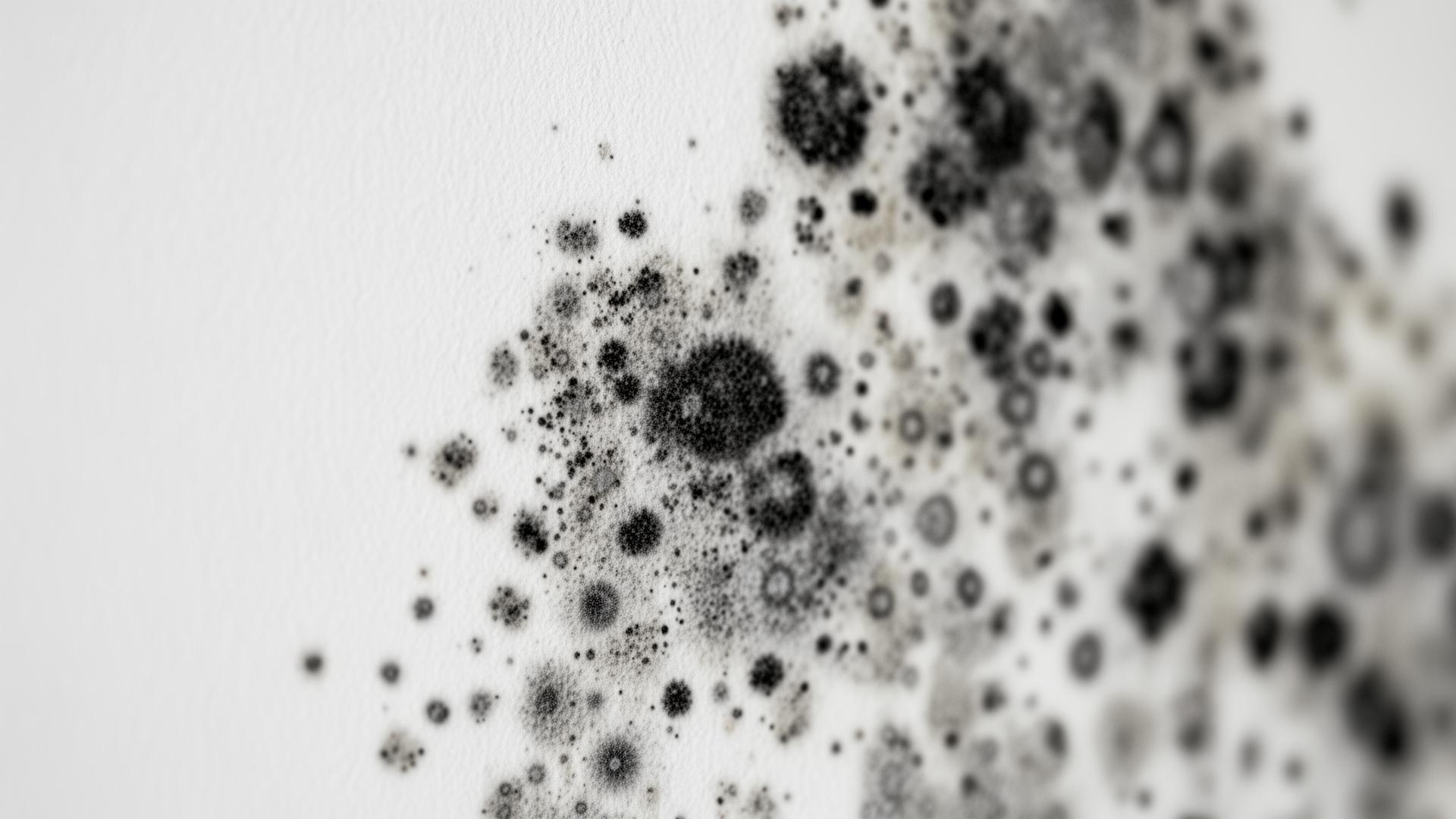
Mold can grow on walls, ceilings, and floors, and is often a fuzzy or slimy patch, and will be black, green, or brown. Identifying mold as soon as possible will allow for faster removal of all signs of mold, along with preventing damage from mold to your home.
2. Musty or earthy smell
If you can smell something musty that you can't see, there is a good chance there has been mold developed in the structure of your home in walls, underneath the flooring, or in air ducts that are hidden from you.
3. Allergy-like symptoms in your home
Respiratory problems, excessive coughing, itchy or watery eyes and nasal congestion are common to those who are exposed to mold indoors, and will often become progressively worse, especially in rooms that are more humid.
4. Persistent Cough or Respiratory Issues
If you have had coughs that do not go away or have found it difficult to breathe in your home, you could be suffering from mold exposure. People who have asthma may notice increased symptoms if they are breathing in mold.
5. Peeling and/or bubbling paint & wallpaper
Water inside walls is often the cause of paint and wallpaper to curl, blister or peel away from the wall. The presence of these forms of paint or wallpaper can be a strong indicator that there is mold in your home.
6. Stains on the walls, ceilings, or around plumbing
Stains appearing on walls, ceilings, or areas where there is plumbing can indicate that the mold is present. If there are stains on walls or ceilings, you should attempt to remove the mold that is causing the staining.
7. Staining on the walls or ceiling caused by leaks
Yellowish-brown water stains on walls or ceilings are indicative of past or current leaks, which will create the conditions needed for mold to thrive. You can usually catch mold before it gets out of control by doing regular inspections.
8. Floors buckled and/or warped
Flooring such as wood or laminate can buckle or warp when it is wet. This condition usually indicates that moisture is being exposed or all around to the foundation and/or has formed from a leak or flooding inside the house.
9. Formation of condensation on the windows or pipes
Excessive condensation on windows or pipes is an indication that you have a very high level of humidity. If you regularly find condensation on your windows and/or pipes, this would indicate that you need to apply measures to control moisture within your home.
10. Staining Around Windows, Doors, Fixtures
Discoloration of areas around windows, doors, or on plumbing fixtures is usually a sign that water has leaked through and has created the perfect environment for mold to grow.
11. Persistent Dampness on Surfaces
Sinks, counters, and basements will remain wet if water is continuously leaking and/or is seeping into the ground under them. Even if the mold spores are not present, they can still grow in areas that are wet and consistently wet.
12. Dirty or smoky HVAC systems
Mold can also grow inside your HVAC system, which can cause dust to build up and ultimately decrease the ability of your HVAC system to operate properly, or lead to a musty odor in your home.
13. Unexpected spikes in utility bills
If you see your water bill trending higher than normal and you are not able to account for the difference, you have either had a leak or the water has accumulated inside your home, and most likely created perfect conditions for mold to thrive.
14. Hidden mold
Mold will develop where water has collected but remained unseen. In Raleigh, mold detection professionals can assist in detecting hidden mold growth.
15. Mold and musty odors in crawl spaces
Crawl spaces will typically contain moisture and mold. When you detect musty odors in your crawl space, it indicates the possibility of the existence of mold colonies and will require prompt removal of those colonies.
16. Pet signs of allergic reactions
If your pets are coughing, sneezing, or scratching in one or more areas of your home, it could be due to mold that was hidden from them, such as mold that grows in surfaces (drywall, lumber, lighting), or that is in the air.
Get Your Mold Inspection Estimate
Schedule ConsultationHidden Mold — Signs You Can’t See
Mold is not always visible. Understanding subtle indicators is key to protecting your home.
Subtle Physical Indicators
Peeling paint, condensation, and warped materials may reveal hidden mold growth. Paying attention to these signs can prevent extensive infestations.
Mold Behind Drywall or Under Flooring
Leaks and high humidity can cause mold to grow behind walls or under floors. Detecting it requires professional inspections.
Mold in Crawl Spaces & Attics
Attics and crawl spaces with poor ventilation often harbor hidden mold. Inspection and remediation prevent spores from spreading to living spaces.
Health Symptoms Linked to Mold Exposure
Mold exposure can affect your health in several ways.
Allergy-Like Reactions
Sneezing, itchy eyes, and nasal congestion indoors are common responses to mold exposure. Early detection reduces prolonged exposure risks.
Respiratory & Asthma Symptoms
Coughing, wheezing, and aggravated asthma symptoms can result from mold in the home. Proper mold remediation improves indoor air quality.
Skin Irritation & Headaches
Direct contact or inhalation of mold spores may cause skin rashes and frequent headaches, particularly in sensitive individuals.
What to Do When You Spot Signs of Mold
Taking immediate action prevents mold from spreading further.
Immediate Steps to Take
Ventilate the area, remove damp materials, and avoid disturbing mold to prevent spores from spreading. Small patches may be temporarily isolated until professional help arrives.
When to Call a Professional
Visible mold, persistent odors, or health symptoms require mold removal services from Raleigh experts. Professionals can safely identify and eliminate mold colonies.
Mold Testing vs Mold Removal — What You Need First
Testing determines the type and extent of mold, guiding effective removal strategies. Accurate mold testing in Raleigh ensures proper remediation.
Our Certified Indoor Air Quality & Mold Inspections
Glover Environmental provides thorough inspections to uncover hidden mold and safeguard your home.
What Our IAQ Inspections Include
We assess moisture levels, air quality, and potential mold hotspots. Detailed reports guide remediation and protect your indoor environment.
Mold Testing You Can Trust
Our certified testing identifies mold types and concentrations accurately, allowing Raleigh homeowners to address contamination effectively.
How Inspection Helps You Act Fast
Early detection through professional inspection allows swift, targeted remediation, minimizing property damage and health risks.
Service Areas — Raleigh & Surrounding Triangle
Glover Environmental services the Triangle area (Raleigh, Cary, Apex, Durham, Wake Forest, Garner, Chapel Hill). We provide mold inspection and remediation services by certified professionals who will identify sources of mold, assess affected areas for damage, and develop strategies to remove and prevent mold. We are committed to protecting your home or business so that you and your family can have a safe, clean, and mold-free indoor environment.
Raleigh
Cary
Apex
Durham
Wake Forest
Garner
Chapel Hill
Triangle Area
FAQs — Signs of Mold
Mold emits a musty or earthy odor, often noticeable in damp areas or hidden spaces.
Mold can begin growing within 24 to 48 hours in moist environments, emphasizing the importance of early detection.
Yes, high humidity and condensation alone can create conditions conducive to mold growth.
Temperature and humidity fluctuations during seasonal changes can accelerate mold proliferation indoors.
Not all mold is harmful, but any visible growth can pose health risks or property damage if left untreated.
Small surface mold may be cleaned carefully, but extensive or hidden infestations require professional mold removal services in Raleigh.
Experts use moisture meters, thermal imaging, and air quality tests to uncover concealed mold behind walls or under floors.
Get a Professional Mold Inspection
If you suspect there is mold growing in your home, don’t wait for it to spread and cause more damage. Call Glover Environmental for a professional mold inspection in Raleigh, NC, now! Our skilled inspectors will look at every part of your house, find hidden mold, and give you recommendations on how to protect your home from becoming unsafe and unhealthy because of mold.
Schedule Consultation
Fill out the form and we'll get back to you within 24 hours.
Need an Estimate?
Call us for mold inspection Raleigh NC and hidden mold detection solutions.
Call (919) 651-1616