Step-by-Step Guide to Mold Remediation in Raleigh
Feb 18, 2026 · 12 min read
When mold starts growing in your residential or commercial location, it can evolve from being an inconvenience to a complex health issue or structural problem very quickly. In conjunction with seasonal rainstorms that are present throughout the state of North Carolina, the hot, humid environment that characterizes the growing seasons in Raleigh creates the perfect breeding ground for mold.
If water or moisture is present, mold will spread behind walls and ceilings, beneath flooring, and inside your heating, ventilation, and air conditioning system.
That's why understanding how Mold Damage Restoration Raleigh works can be very important. This blog educates about every single step of the process associated with mold remediation, explains why it is important, and answers the question of what to expect when you search for "Mold Remediation Near Me" in Raleigh.
Mold is a Major Problem for Homes in Raleigh, NC
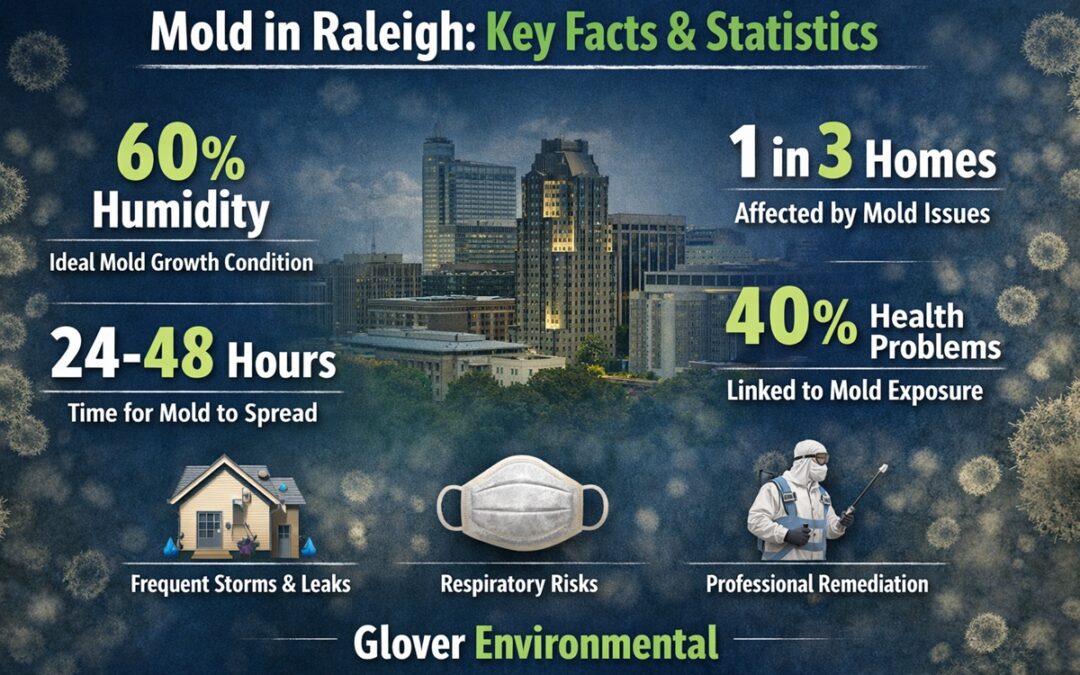
With prolonged periods of high humidity (and varying degrees of seasonal temperature variation) in Raleigh, this creates the perfect breeding ground for the presence of mold spores in your home or office. In fact, even very small amounts of water can be the trigger that sets off widespread mold contamination within 24–48 hours of your home or office being exposed to this water source.
The presence of unkept mold growth will result in issues such as respiratory problems, allergy symptoms, musty odors, and long-term damage to your property. By hiring professional Mold Damage Restoration Services in Raleigh, you can trust that all visible and hidden occurrences of mold will be properly eliminated.
Step 1: Performing a Detailed Mold Inspection and Testing
Before beginning to remediate mold, we will perform a thorough inspection of your property to determine the extent of contamination. This consists of a visual inspection of the inside of your property, moisture readings, and, in some situations, an air quality sample.
Identifying Water Source
In order to avoid problems after Mold Remediation Raleigh has been performed, local technicians must identify the root cause of the problem (i.e., roof leak, plumbing failure, HVAC condensation, or lack of ventilation) prior to completing any remediation work.
Without controlling the cause (i.e., moisture), even the best mold remediation may only provide temporary results.
Step 2: Containing Affected Areas
After mold is found, the next step is to isolate the contaminated area to prevent the introduction of spores into non-contaminated areas.
Creating Physical Barriers
Professionals create physical barriers around the contaminated area using plastic sheeting, negative air pressure systems, and sealed construction to protect the area from the spread of spores during the removal process. Proper containment plays a major role in Mold Damage Restoration Raleigh, especially in larger homes and commercial properties.
Step 3: Air Filtration System and HEPA Air Scrubbing
Airborne mold spores can become airborne in one part of the home (via the HVAC system) and end up in a different part of the home. High-efficiency air filtration systems are used to prevent this from happening.
HEPA Air Scrubbers in Use
HEPA air scrubbers are air filtration devices designed to capture microscopic spores that have become airborne. Continuous air filtration will lead to better indoor air quality and will reduce the chances of further contamination.
Air filtration and HEPA air scrubbing will lead to not only surface-level remediation but also a thorough and health-oriented process for the home.
Step 4: Safe Removal of Materials Contaminated with Mold
When materials such as drywall, insulation, carpet, and porous wood are contaminated with mold, they are typically not salvageable and must be removed.
Careful Demolition and Disposal
Professionals follow specified industry guideline procedures to deconstruct and remove contaminated materials. Contaminated materials are bagged and sealed so as to minimize contamination to other areas.
This is when many homeowners will understand, for the first time, the knowledge and value of using a professional to perform the work rather than attempting it on their own.
Step 5: Cleaning & Antimicrobial Treatment
After you have removed all materials that were damaged by mold, you need to clean and treat all surfaces that were not damaged by mold.
Cleaning Methods
You will need to use specialized cleaning and antimicrobial solutions to kill all remaining mold colonies and prevent them from returning. You will scrub all non-porous surfaces and treat any structural components that are affected by moisture.
This step ensures that you have completely remediated the mold problem, eliminating both visible mold and microscopic spores.
Step 6: Structural Dry Out & Dehumidification
Although visual evidence of mold is gone, there could still be moisture in wall cavities or under floor structures. The use of professional drying equipment can ensure that all moisture in the structure is removed.
Monitoring Moisture Levels
Technicians will use moisture meters and thermal imaging cameras to confirm that there is no residual moisture in the affected areas before dehumidifiers or air movers are utilized. Some dehumidifiers or air movers may run for several days.
Effective drying is one of the most important components of any successful mold damage restoration project and the primary reason for preventing a recurrence of a mold situation.
Step 7: Repair & Restoration
After completing the remediation and drying process, we begin restoring your property. This will include rebuilding and painting the damaged drywall, replacing damaged flooring, and restoring all other affected areas of the property.
Return Your Property to Pre-Loss Condition
The ultimate goal of our restoration services is to return your home or place of business to a safe, healthy, and fully functioning condition. Professional restoration services will ensure that your home or business looks just as good or better than it did before the mold damage occurred.
Common Causes of Mold Growth in Raleigh
Learning what causes mold to grow can help you avoid experiencing mold in the future.
Storms and Water Intrusion
Raleigh experiences heavy rainfall and has occasional storms with damaged roofs or flooded basements, which can lead to the growth of mold. The growth of mold can be greatly reduced if there is timely intervention in case of any intrusion of water, no matter how small.
Plumbing Leaks
Leaks in the plumbing system are very often the cause of mold because they are usually not detected until they produce moldy odors or visible stains on walls. Early detection of hidden leaks will greatly reduce the cost of mold remediation.
Improper Ventilation
If bathrooms, kitchens, and crawl spaces are not adequately ventilated, then they will trap moisture, leading to potential mold growth. Proper airflow through these areas will reduce the risk of mold growth and improve indoor air quality.
Therefore, it is not only important to protect your property from damage by using a certified Mold Damage Restoration Company in Raleigh, but also to protect your physical health.
Why DIY Mold Remediation is Not Worth Trying
When a homeowner is trying to remove or clean mold from surfaces using household cleaning products, the mold problem may go away for a while. But in case of significant infestation, they will need to hire a professional to remove the mold from their home.
Additionally, if someone tries to remove mold from their home in an improper manner, it can result in spores being spread, increased contamination, or hidden mold growth resulting from mold being disturbed in the process of removing it.
Searching for "Mold Remediation Near Me" will lead you to hire certified mold remediation professionals who have the experience necessary to properly and safely resolve the mold issue present in your home.
Mold Remediation FAQ's for Raleigh Homeowners
Will my insurance pay for mold damage restoration in Raleigh?
Your insurance company may or may not cover the cost of mold damage, depending on the cause of the damage and the terms of your policy (insurance providers typically cover damage that is caused by sudden bursts of water). Insurance providers generally do not cover damage caused by mold that has been present for an extended period of time.
Will I find more mold after having my mold problem remediated?
Yes. You will find additional mold if you don't repair the underlying moisture problem that is causing the original mold issue.
Is it safe for me to stay in my home while having my mold problem remediated?
Sometimes yes; however, the bigger the mold problem, the greater the chance that you will be required to leave for a period of time until the work is completely finished.
How quickly should I act to remediate my mold problem?
As quickly as possible! Mold can grow throughout your entire home within 24–48 hours after coming into contact with water.
Conclusion: Take Immediate Steps to Eliminate Mold in Raleigh
Mold is not only an aesthetic problem but also creates a health concern, affects indoor air quality, and can structurally weaken and compromise the stability of your property. An environmentally friendly mold removal service will conduct an inspection of your property and set up a containment area; remove visible mold from your structure; dry out affected areas; and restore all areas back to pre-existing condition.
Glover Environmental provides Raleigh mold remediation and environmentally responsible cleanup services. Our trained staff members use cutting-edge equipment to perform both mold remediation and damage restoration.
We provide clients with assurance they can trust by providing a performance warranty on every mold remediation project we complete. Contact us today to schedule a quick mold removal service.